

Is a Second-Hand Baby Carrier Safe? Your Guide to Buying Preloved Slings

Updated: Aug 13
New to Little One Snug?
If you're expecting a baby or already navigating life with one, you're in the right place. I'm Emma, a qualified babywearing consultant based in Hastings (UK), helping families across East Sussex choose, fit, and use baby carriers safely and confidently.
✓ Book a personalised 1:1 consultation,
✓ Hire carriers before buying
✓ Get expert support for any sling or carrier
Further afield? I may be able to offer Online Support

This guide is for you if...
✔ You've got a preloved sling
✔ You're planning on buying a preloved sling
✔ You're curious about carrier safety
Buying a baby carrier can feel like a big investment, especially when you're preparing for a new arrival and there always seems to be something else on the shopping list.
The good news is that buying a second-hand baby carrier can be a fantastic way to save money, reduce waste and access high-quality carriers that might otherwise be outside your budget. The key is knowing what to look for. With a few simple checks, many preloved slings can continue supporting families safely for years to come.
Is it safe to buy a second-hand baby carrier?
In many cases, yes.
Unlike some baby equipment, many baby carriers are designed to last for years when cared for properly. However, it's important to inspect a used carrier carefully before using it.
A little time spent checking the carrier can give you confidence that it's still suitable for carrying your baby.
What should I check before buying?
When looking at a preloved carrier, inspect:
The fabric for thinning, tears or excessive wear.
All stitching for loose or broken threads.
Buckles and clips to ensure they fasten securely.
Webbing for signs of fraying.
Any drawstrings, poppers or adjustment points.
Whether all original parts are present.
If anything looks damaged or you're unsure about its condition, it's worth seeking advice before using it.
Has the carrier been modified?
Baby carriers are tested in the condition that they leave the manufacturer.
Avoid homemade carriers, or carriers that have been altered or repaired in ways that could affect their performance (i.e) holes sown up / patched - conversions by a trusted retailers that offers this are a little different :)
Check for product recalls
Before using any second-hand carrier, search for the make and model to see whether there have been any manufacturer recalls or important safety updates.
This is a quick step that can provide extra peace of mind.
Is it the right carrier for you?
Just because a carrier is a bargain doesn't necessarily mean it's the best choice for your family.
Think about:
Your baby's age and stage.
Your body shape.
How you want to use the carrier.
Whether you'll be sharing it with another caregiver.
The most affordable carrier is only a good buy if it actually works for you.
Don't forget about fit
Even a high-quality carrier won't feel comfortable if it isn't fitted correctly.
A personalised fit check can often make a surprising difference, helping you feel more confident while making sure both you and your baby are comfortable.
Buying second-hand is a sustainable choice
One of the wonderful things about baby carriers is that many are designed to last.
Choosing a quality preloved carrier helps:
Reduce waste.
Give a carrier a second life.
Save money.
Make babywearing more accessible.
It's a choice that's kind to both your budget and the environment.
Final thoughts
Buying a second-hand baby carrier can be an excellent option.
By checking its condition, making sure it hasn't been modified and ensuring it's the right fit for your family, you can enjoy all the benefits of babywearing without necessarily buying brand new. If you're unsure about a preloved carrier, or you'd like help checking the fit, a babywearing consultation can give you confidence before you start carrying.
Happy Carrying,
Emma
X
Every baby, every parent, and carrier is different!
Articles like this can answer general questions, but they can't check your fit / comfort, adjust your sling or tell you whether your baby is positioned comfortably and safely.
That's exactly what I do during support sessions.
I'm Emma, the babywearing consultant behind Little One Snug. I offer relaxed, personalised sling consultations, carrier hire and troubleshooting sessions for families across Hastings and East Sussex, helping you carry your baby safely and confidently from newborn through to preschool. Whether you're choosing your first sling, struggling with your current carrier or simply want reassurance that everything feels right, I'm here to help.
Local and ready to get started?
Ok, but I'm not Local, and I'd benefit from more Support!
If you're outside East Sussex why not Read my Other Blog Posts?
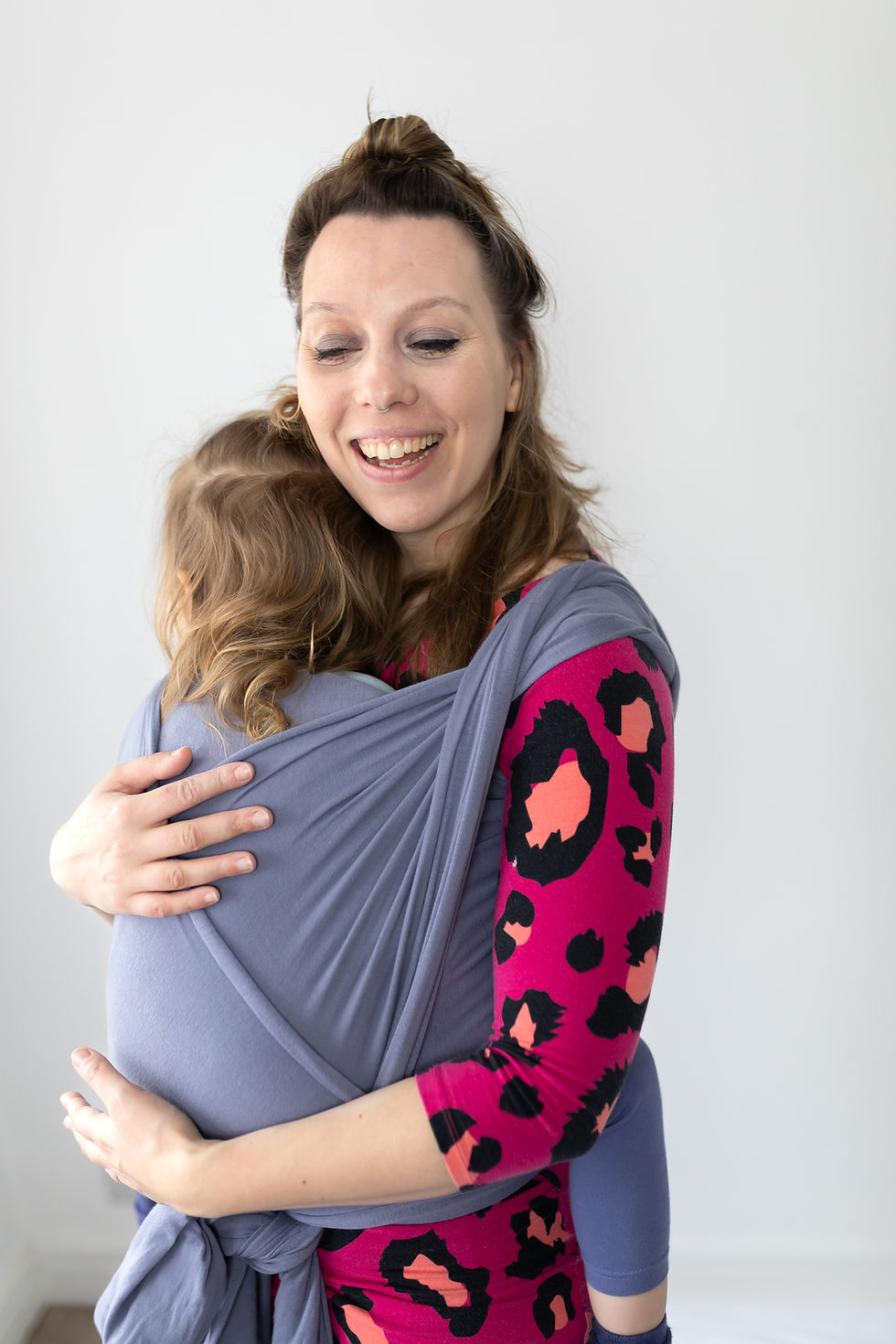
About the Author:
Emma is the founder of Little One Snug, a babywearing consultancy and sling library based in Hastings, East Sussex. Supporting 240 local families (and counting) since 2024 with all their babywearing needs.


