

Babywearing After a C-Section: Is It Possible? A Gentle Guide for New Parents

Updated: Oct 11
New to Little One Snug?
If you're expecting a baby or already navigating life with one, you're in the right place. I'm Emma, a qualified babywearing consultant based in Hastings (UK), helping families across East Sussex choose, fit, and use baby carriers safely and confidently.
✓ Book a Session or Workshop
✓ Hire carriers before buying
✓ Get expert support for any sling or carrier
Further afield? Email littleonesnug@gmail.com to enquire about Online Support

This guide is for you if...
✔ You've recently had a c-section
✔ You're considering babywearing
✔ You're not sure where to start
✔ You want to know if things are off-limits
If you've recently had a Caesarean birth, you may be wondering whether babywearing is still an option. The simple answer is that for many parents, yes, it can be - but as anything it will depend on a few factors...
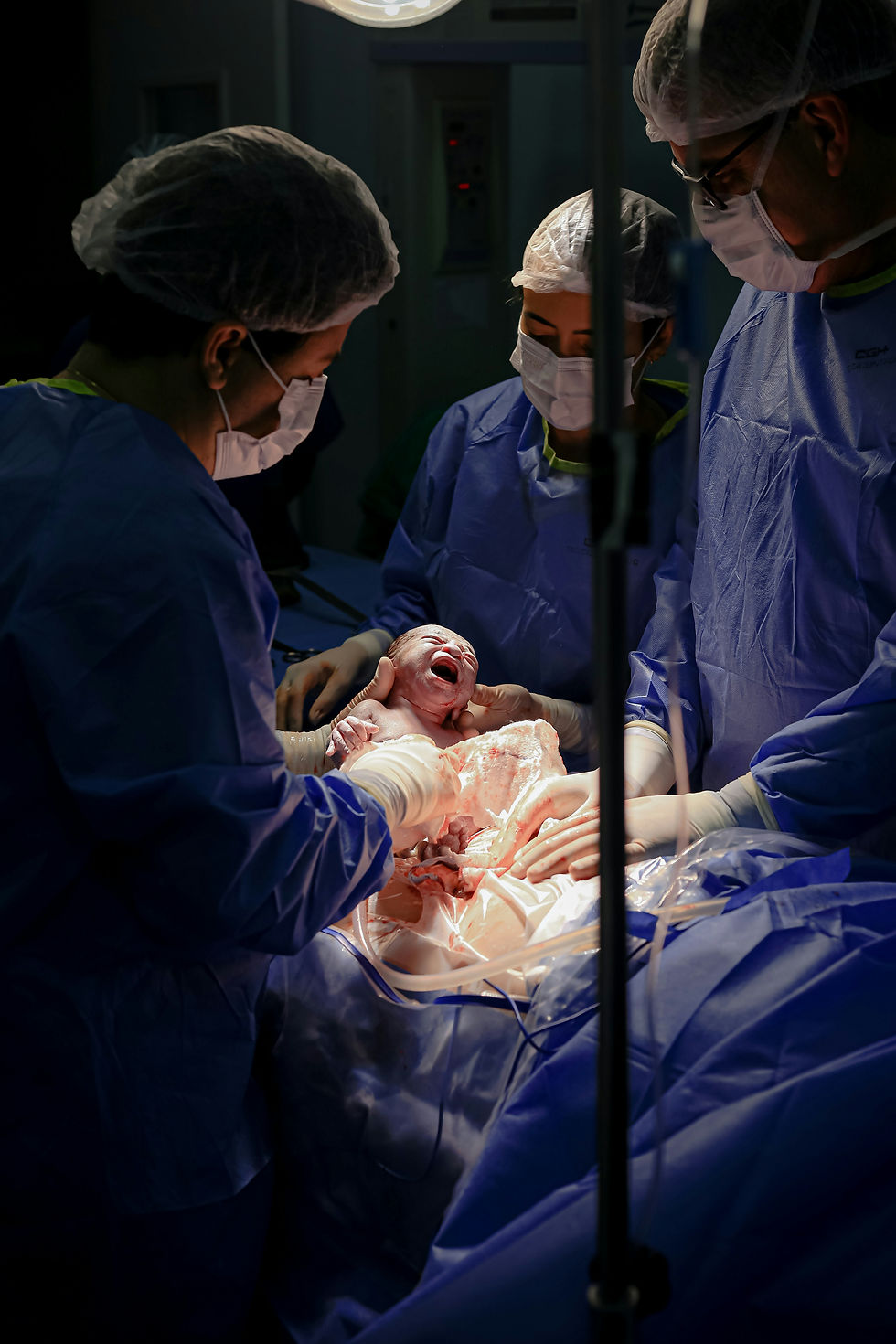
However, recovering from a C-section is a major operation, and everyone's recovery is different. The most important thing is to give yourself time, follow the advice of your healthcare team and only begin babywearing when you feel ready.
Once you are, many parents find that carrying their baby becomes a comfortable and practical part of everyday life.
Every recovery is different
It's natural to compare your recovery with other parents, but there is no "normal" timeline.
Some people feel ready to carry sooner, while others need more time before anything around their abdomen feels comfortable.
Be guided by your healthcare team's advice and by how your own body feels.
There's no prize for rushing.
Comfort matters
After a C-section, you may be more aware of pressure around your scar or lower abdomen.
This doesn't necessarily mean babywearing isn't for you—it may simply mean that some carrier styles feel more comfortable than others.
Small adjustments to the fit or trying a different style of carrier can sometimes make a significant difference.
There isn't one "best" carrier after a C-section
Parents often ask which carrier they should buy after a Caesarean birth.
The truth is, there isn't a single answer.
The best carrier depends on:
Your stage of recovery.
Your body shape.
Your baby's size and age.
What feels comfortable for you.
This is one of the reasons why trying different carriers before buying can be so valuable.
Take things slowly
When you do begin babywearing, keep your first sessions short.
This gives you the chance to notice how your body feels and make any adjustments before carrying for longer periods.
As your confidence and comfort grow, you can gradually build up from there.
Don't ignore discomfort
Babywearing should feel supportive, not painful.
If you experience discomfort around your scar or elsewhere, it's worth stopping to assess the fit of the carrier or seeking personalised advice.
Often, small adjustments can improve comfort, but it's important not to push through pain.
You're not alone
Many parents who have had a C-section feel nervous about babywearing for the first time.
That's completely understandable. Having someone guide you through fitting a carrier, answer your questions and make small adjustments can help you feel much more confident.
Final thoughts
Having a C-section doesn't automatically mean babywearing is off the table, and it might even be on the table far sooner than you thought too!
With time, patience and the right support, many parents find that carrying their baby becomes one of the most enjoyable parts of their recovery and everyday life.
If you're unsure where to start or would like help finding a comfortable carrier after a Caesarean birth, personalised babywearing support can help you explore your options with confidence.
Happy Carrying,
Emma
X
Every baby, every parent, and carrier is different!
Articles like this can answer general questions, but they can't really check your fit / comfort, adjust your sling or tell you whether your baby is positioned comfortably and safely. That's exactly what I do during support sessions.
I'm Emma, the babywearing consultant behind Little One Snug. I support families across Hastings and East Sussex, to carry their babies safely and confidently from bump right through to preschool. Whether you're choosing your first sling, struggling with your current carrier or simply want reassurance that everything feels right, I'm here to help.
Ready to get started and you're local to Hastings / East Sussex?
Ok, but I'm not Local, and I'd benefit from more Support!
If you're outside East Sussex why not Read my Other Blog Posts?Or e-mail littleonesnug@gmail.com to see if an Online Support Session is possible.


